Home / News /
What's the Difference Between a Sofa and a Couch?

What's the Difference Between a Sofa and a Couch?

What's the Difference Between a Sofa and a Couch?
Table of Contents

Introduction

You are standing in a showroom or scrolling through a website, and the inevitable question arises: Are you looking for a sofa or a couch? For most people, the terms are interchangeable. You sit on them, you nap on them, and you watch TV on them.

However, if you dig into the history of design and technical construction, the answer to what's the difference between a sofa and a couch is surprisingly distinct. Understanding this isn't just about winning a trivia debate—it is about knowing exactly what you are buying for your home.

This guide explains the technical differences, helps you decide which one suits your lifestyle, and provides a neutral checklist to ensure whatever you buy lasts for years.

Sofa vs. Couch: What's the Real Difference?

Historically, the difference lies in origin and function. A sofa is an upholstered bench with arms and a back, designed for formal sitting (derived from the Arabic suffah). A couch is typically smaller, sometimes armless, and designed for lying down or casual comfort (derived from the French coucher).

While modern interior designers often use the terms interchangeably, knowing these subtle distinctions can help you better describe exactly what you need for your living space.

Comparison Table: Sofa vs. Couch

When comparing a sofa vs. a couch, the main factors are size, structure, and intent. Sofas are generally larger (3+ seats) and act as a room's anchor, while couches are often smaller (2-3 seats) and prioritize lounging.To help you visualize the specific differences at a glance, we've broken down the key features in the comparison chart below.

Feature Sofa Couch
Origin Arabic (suffah): A bench with cushions. French (coucher): To lie down.
Primary Function Seating, conversation, hosting. Lounging, napping, relaxing.
Typical Location Living room, formal sitting room. Den, basement, entertainment room.
Design Structure Upright back, defined armrests. Softer, plush, may lack arms.
Upholstery Tight, tailored fit. Loose, reversible cushions.
Vibe Elegant, polished, aesthetic. Casual, comfortable, "lived-in."

"Suffah" vs. "Coucher" - The Historical Difference

To truly understand what's the difference between a sofa and a couch, we have to look at their "etymological DNA." The words come from different languages and imply entirely different functions.

The Sofa is The Architecture of Sitting vs The Couch is The Art of Lying Down

The Sofa (The Architecture of Sitting)

  • The word "sofa" dates back to the 17th century, derived from the Arabic suffah. Historically, a suffah was not moveable furniture; it was a raised stone or brick bench covered with cushions. It was a place of honor for waiting and sitting.
  • This lineage persists today. A "sofa" is conceptually "bench-made." It relies on a sturdy frame to support upright posture. It is the centerpiece of a room reserved for hosting and conversation.

The Couch (The Art of Lying Down)

  • The word "couch" comes from the Old French verb coucher, which literally translates "to lie down" or "to put to bed." Historically, this related to the fainting couch or chaise longue.
  • This explains why we have the idiom "couch potato" but never "sofa potato." The couch is functionally designed for passivity and relaxation. It spiritually belongs in the Den or Family Room.

Construction & Design - The Structural Difference

Beyond the history, there are tangible physical differences that manufacturers often adhere to.

The Sofa: Structure and Formality

A traditional sofa is defined by integrity. It usually features a high, upright back and stiff arms (often rolled or square). The upholstery is typically a "tight back" design, where fabric is pulled taut over the frame. This offers firm lumbar support, making it ideal for formal settings where guests need to stand up easily.

The Couch: Slouch and Comfort

A couch is designed to yield. It often features "pillow-back" cushions that are loose and reversible. The focus is on softness rather than architectural lines. While a sofa is defined by its frame, a couch is defined by its cushions.

Decision Guide: Which One Fits Your Lifestyle?

Now that you know the technical difference, which one should you actually buy? Forget the label on the price tag—choose based on your habits.

Decision Guide Which Type of Sofa Fits Your Lifestyle

Profile A: The Host (You Need a Sofa)

If your living room is a "shoes-on" zone where you host cocktail parties, book clubs, or formal holidays, you need a Sofa.

  • Why: Guests generally prefer to sit upright. A deep, squishy couch is hard to stand up from, which can be awkward for guests.
  • What to Look For: A seat depth of 20-22 inches and a structured back for lumbar support.

Profile B: The Lounger (You Need a Couch)

If your primary activity is Netflix marathons, gaming, or Sunday naps, you need a Couch.

  • Why: Data suggests 45% of people prefer to lie down on their furniture at home. You need depth more than structure.
  • What to Look For: A "deep seat" (24 inches or more) and loose cushions that allow you to sink in.
  • WJS Home Recommendation:

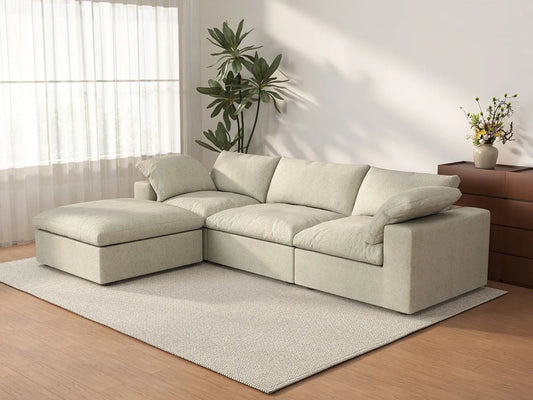
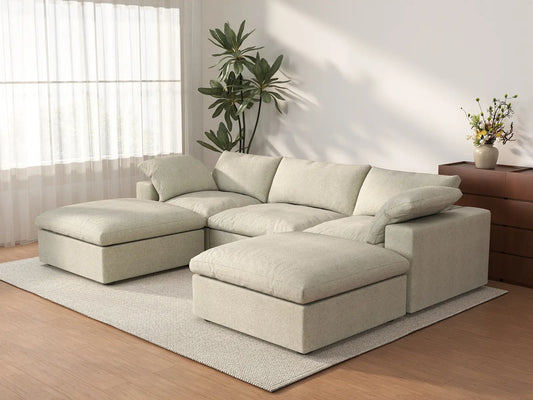
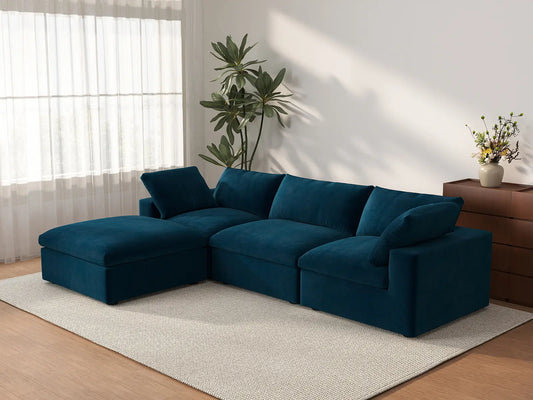
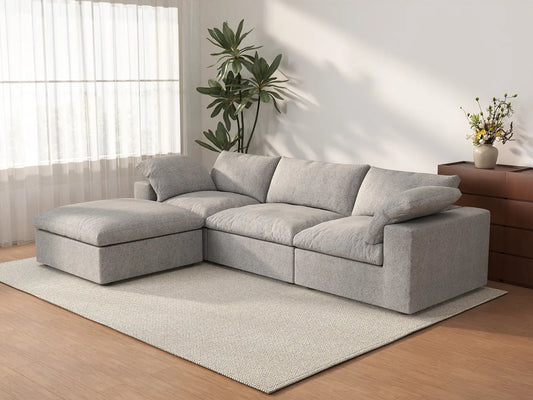
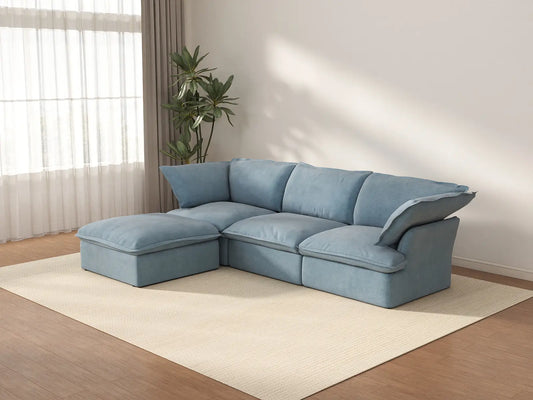
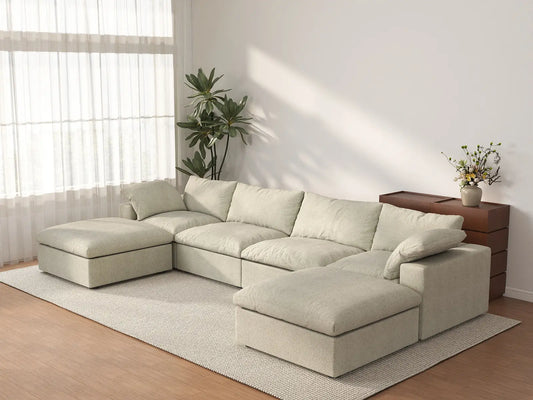
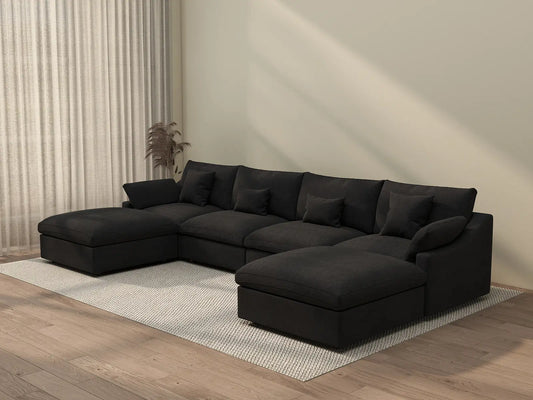
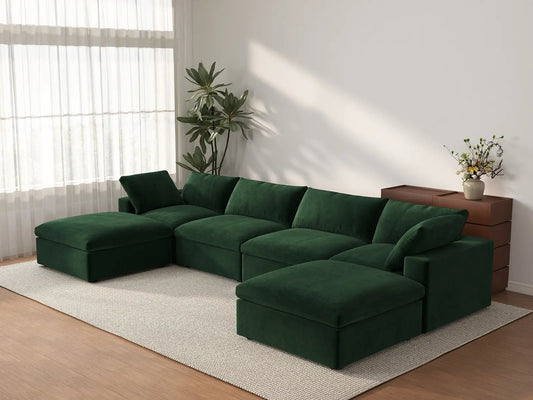
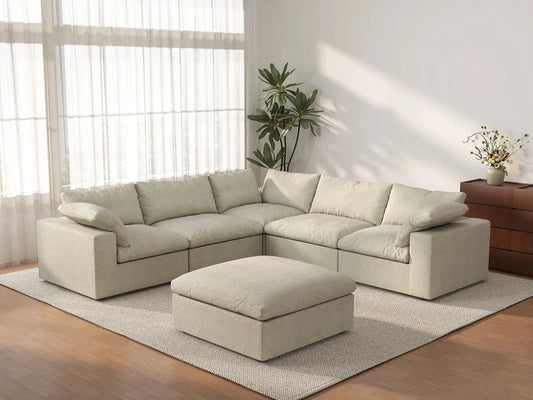
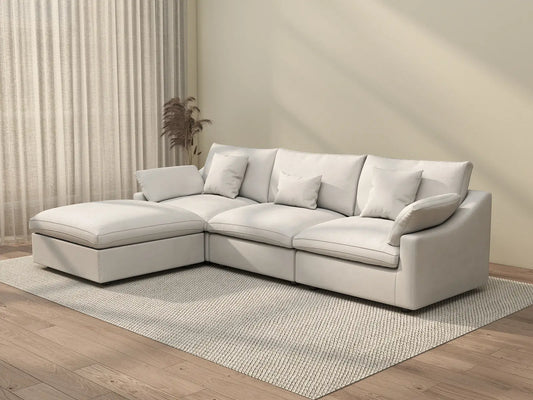
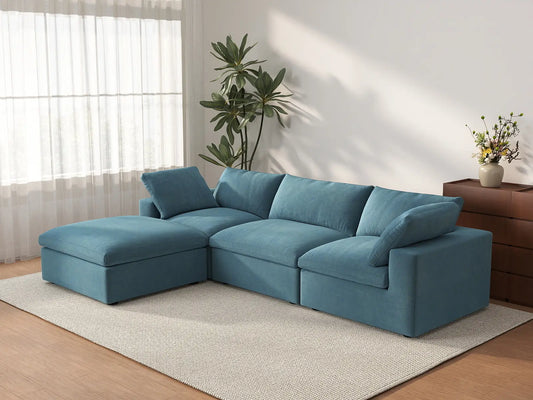
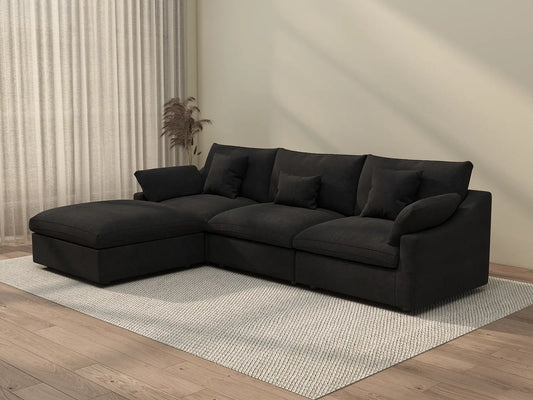
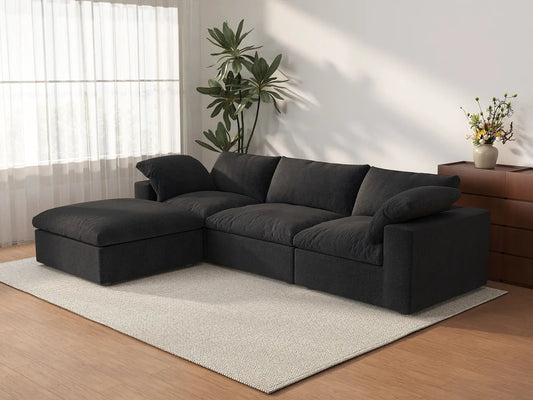
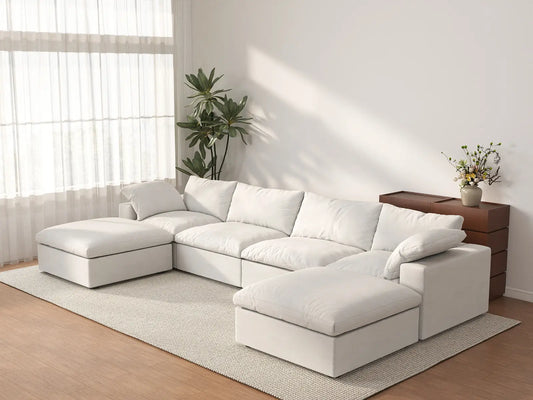
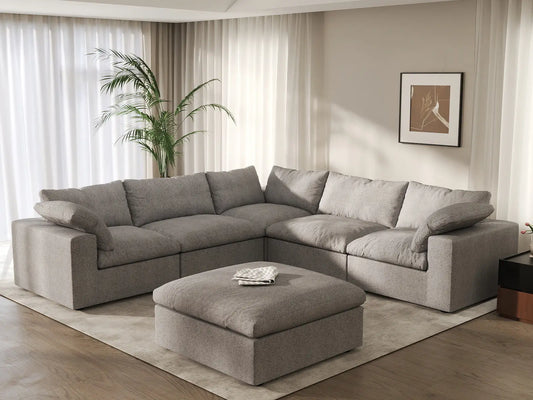
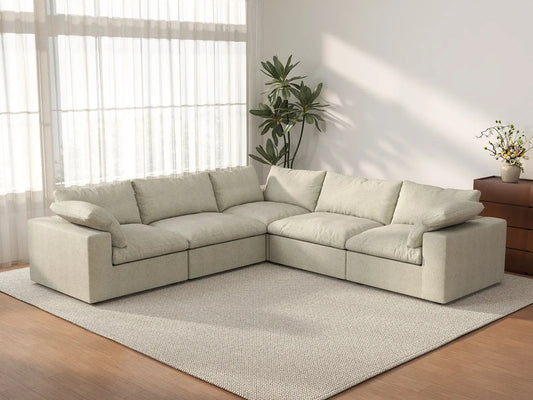
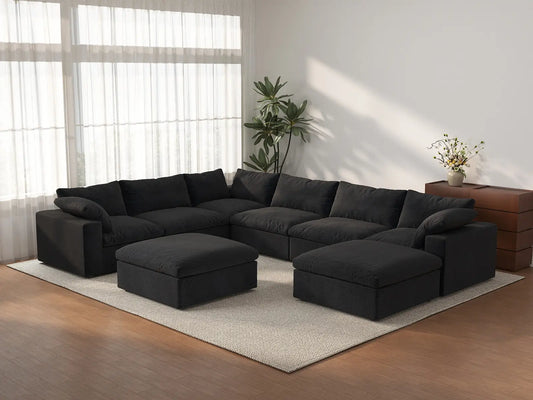
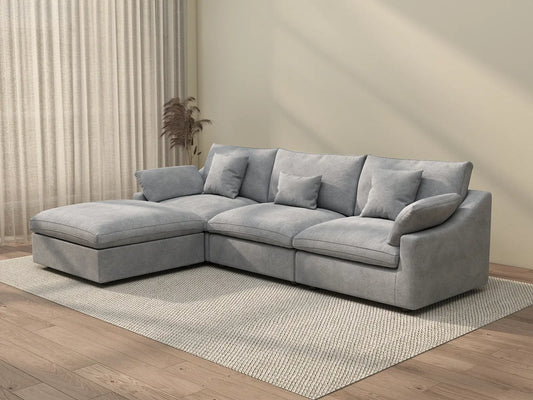
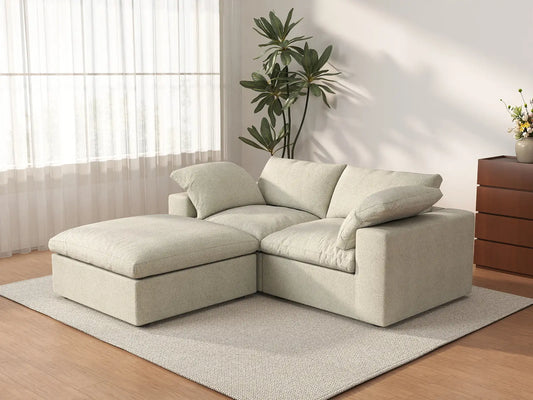
    For the "Lounger," the WJS Home Cloud Modular Sectional is a great example. It uses a "sandwich" cushion construction-high-density sponge wrapped in down feathers. This gives you the "sink-in" feeling of a couch but retains enough shape to look good in a living room.

Profile C: The Apartment Dweller (You Need a Hybrid)

If you live in a small space, you likely need a piece that does both.

  • The Solution: A Convertible Sofa.
  • WJS Home Recommendation: The WJS Home Convertible Sofa Bed works as a structured sofa during the day (saving space) and converts to a "couch" (sleeper) at night.
  • If you are looking for more options to your small studio, read this post for more insights: Best Sofas for Small Apartments

The Quality Checklist: How to Spot a Good One

Once you decide type you need (Sofa vs. Couch), you need to make sure you don't buy a bad one. Regardless of the name, durability comes down to three hidden metrics. You can also get through this post to get more details about how to find the best sofa. If you want a step-by-step guide on options, you can check this article: How to Choose the Best Sectional Sofa

The Quality Checklist How to Spot a Good One Frame_ cushion and fabric

1. The Frame (Moisture Content)

A "sturdy frame" isn't just a marketing buzzword; it's physics.

  • The Standard: Look for kiln-dried hardwood in the product description.
  • Why: Wood naturally contains water. If it isn't kiln-dried to a moisture content of roughly 6-8%, the wood will warp and twist as it adjusts to your home's humidity. This is the primary cause of squeaks and wobbles in furniture under 5 years old.

2. The Cushion (Foam Density)

The NO.1 reason people replace furniture is sagging cushions. This is determined by density, not thickness.

  • The Standard: Avoid standard 1.2 lb/ft³ foam, which creates air pockets that collapse. Look for 1.8 lb/ft³ (approx. 28-30 kg/m³) or higher ("High Resilience" foam).
  • Why: Higher density resists the "butt print" effect. It ensures the seat bounces back to its original shape after you stand up, doubling the effective lifespan of the piece.

3. The Fabric (Rub Count)

"Durable" is subjective. "Rub Count" (Martindale Test) is scientific. It measures how many times a fabric can be rubbed before wearing through.

  • Light Duty: Under 9,000 rubs (decorative use only).
  • Family Duty: 15,000 to 25,000 rubs (standard daily use).
  • Heavy Duty: 30,000+ rubs (commercial grade or pets).
  • Tip: If you have pets, prioritize synthetic blends (polyester/nylon) over natural fibers, as they typically have higher rub counts and resist staining better.

Regional Dialects on Terms of Sofa and Couch

Just for fun, where you live might dictate what you call it.

  • United States: "Couch" is the standard term for most households, though "Sofa" is used by industry pros and in the Northeast.
  • United Kingdom: "Sofa" is the dominant term (used by ~58% of people).
  • The "Davenport": In the Midwest US, you might hear this term. It refers to a specific brand of convertible sofa from the early 1900s that became a generic name.

Conclusion

Ultimately, the battle between "sofa" and "couch" comes down to a trade-off: Structure vs. Comfort.

Historically, a sofa is a bench built for posture, while a couch is a bed built for rest. But in the modern home, we believe you shouldn't have to choose.

At WJS Home , we design to bridge this gap. We engineer our furniture with the technical durability of a sofa—using kiln-dried hardwood frames and high-density foam—but design them with the soul of a couch, focusing on deep seating, down-wrapped cushions, and modular flexibility.

Whether you call it a sofa, a couch, or a sectional, WJS Home offers the perfect hybrid: the architectural elegance your living room needs with the deep comfort your family wants.

Frequently Asked Questions on Differences of Sofa & Couch

Can I use the terms sofa and couch interchangeably?

Yes. In casual conversation, no one will misunderstand you. However, when searching online, "sofa" often reveals higher-end, more structured results, while "couch" may show more casual, lower-priced items.

Why do interior designers hate the word "couch"?

Designers often dislike "couch" because of its association with the "couch potato" stigma and messiness. They prefer "sofa" because it implies a deliberate design choice and proper posture within a floor plan.

Which is better for back pain: a sofa or a couch?

Sofa. Generally, a structured sofa is better for back pain. It offers firm support and a higher seat, making it easier to sit with feet flat on the floor. Deep, soft couches can cause you to slouch, straining the lower back.

Does WJS Home sell sofas or couches?

Technically, we sell sofas because of our durable, structured frames. However, our focus on deep comfort and modularity means they function perfectly as the "family couch" for daily relaxation.

What is the difference between a sectional and a couch?

A couch is typically a single unit for 2-3 people. A sectional is composed of multiple independent pieces (modules).