


Introduction
Buying a sofa is often one of the top three most expensive purchases for a home. While the frame determines structural lifespan , upholstery fabric defines how the sofa looks, feels, and performs in daily use. Choosing the wrong material can result in early pilling, staining, or fading. When comparing sofa and upholstery fabric types, aesthetics alone are misleading—true performance depends on measurable factors such as fiber structure, weave density, and abrasion ratings (“double rubs”).
This guide analyzes the most common sofa fabric categories using a standardized snapshot of durability, lifespan, and maintenance, while highlighting WJS Home fabric solutions designed for real-world living. Abrasion ratings follow widely used industry benchmarks, where 15,000 double rubs indicate residential use and 30,000+ indicate heavy-duty performance.
Sofa Fabrics Explained by Material and Performance
Sofa fabrics are the upholstery fabric materials that cover cushions, arms, and seating surfaces, directly affecting comfort, durability, maintenance, and visual longevity. While hundreds of textures exist, most sofas fall into two core fabric categories: natural and synthetic.
In the sections below, we compare these sofa types of fabric using consistent criteria—material composition, abrasion resistance, lifespan, and care requirements. You'll also see how specific WJS Home fabric constructions adapt these materials to solve common problems such as wrinkling, wear patterns, pet damage, and daily cleaning—helping you match fabric performance to real living conditions.
Natural Sofa Fabrics: Breathability and Organic Texture
Natural fibers are sourced from plants or animals and are commonly used in natural sofa upholstery fabrics. They are prized for their breathability and organic hand-feel, making them ideal for those who prioritize comfort and a classic aesthetic.
1. Cotton Fabrics for Casual, Breathable Seating
Cotton is a soft, absorbent natural fiber that offers a relaxed, matte finish and excellent breathability
- Pros: Resists pilling better than most synthetics; feels cool and crisp against the skin.
- Cons: Prone to wrinkling and absorbs spills quickly if not treated; can fade in direct sunlight.
- Best For: Casual living rooms and humid climates where breathability is key.
- Durability Rating: Moderate (15,000 - 25,000 double rubs).
- Typical Lifespan: 5-7 years (pure cotton); 8+ years (blends).
- Maintenance Score: 3/5 (Machine washable covers are common, but spot cleaning is difficult).
WJS Home Solution: We use a cotton-linen blend to preserve cotton's softness while improving structural stability and wrinkle resistance compared to pure cotton.
| Specification | Details |
|---|---|
| Durability | Medium |
| Texture / Feel | Soft, natural |
| Cleaning / Care | Spot clean; gentle wash |
| Stretch | Low |
| Breathability | High |
| Water / Stain Resistance | No |
| Notes / Additional Info | Great for casual living |
2. Linen Fabrics for Relaxed, Low-Traffic Spaces
Derived from the flax plant, linen is the strongest natural fiber, prized for its anti-bacterial properties and casual elegance.
- Pros: Extremely breathable and cool; naturally resistant to pilling; becomes softer with use.
- Cons: Has very low elasticity, meaning it wrinkles and creases immediately upon touch.
- Best For: Adult-only households or low-traffic formal rooms.
- Durability Rating: Moderate (10,000 - 15,000 double rubs).
- Typical Lifespan: 5-10 years (depending on traffic).
- Maintenance Score: 2/5 (Often requires professional cleaning; stains easily).
WJS Home Solution: Our chenille-linen blend reduces linen's natural wrinkling while increasing abrasion resistance through a denser, textured weave.
| Specification | Details |
|---|---|
| Durability | Medium |
| Texture / Feel | Soft, textured |
| Cleaning / Care | Vacuum; spot clean |
| Stretch | Medium |
| Breathability | Medium |
| Water / Stain Resistance | No |
| Notes / Additional Info | Combines style and comfort |
3. Wool Fabrics for High-Use, Cooler Environments
A protein-based fiber derived from sheep, wool is celebrated for its natural crimp, which provides exceptional resilience and warmth.
- Pros: Naturally stain-resistant (due to lanolin); resistant to wrinkling; hides soil well.
- Cons: Can be expensive; lower-quality wools may feel itchy; can felt if washed incorrectly.
- Best For: High-use areas in cooler climates.
- Durability Rating: High (40,000+ double rubs).
- Typical Lifespan: 10+ years.
- Maintenance Score: 4/5 (Vacuuming is usually sufficient; difficult to deep clean if stained).
4. Top-Grain Leather for Long-Term Durability
Processed animal hide that offers a non-porous surface, making it the most durable option among all sofa types of fabric.
- Pros: Gets better looking with age (patina); hair and dust do not stick to it; hypoallergenic.
- Cons: Can feel cold initially; scratches from sharp claws can be permanent.
- For shoppers comparing leather or cloth for everyday use, differences in feel, temperature, and upkeep often matter as much as durability.
- Best For: Homes with dogs, allergy sufferers, and long-term investment pieces.
- Durability Rating: Extreme (Lasts 4x longer than fabric).
- Typical Lifespan: 15-20 years.
- Maintenance Score: 4.5/5 (Wipeable surface; requires annual conditioning).
If you're still deciding between leather versus fabric seating , a deeper comparison of durability, maintenance, and lifestyle fit can help clarify the trade-offs.
5. Silk Fabrics for Decorative, Low-Use Seating
A delicate, luxurious fiber with a natural shimmer, suited only for low-traffic environments.
- Pros: Unmatched aesthetic beauty and smoothness.
- Cons: Extremely fragile; degrades in sunlight; stains with water.
- Best For: Formal showrooms or "look-only" furniture.
- Durability Rating: Delicate (< 10,000 double rubs).
- Typical Lifespan: Varies heavily based on care.
- Maintenance Score: 1/5 (Professional dry clean only).
Find Your Best Fabrics - Linen & Natural Blends
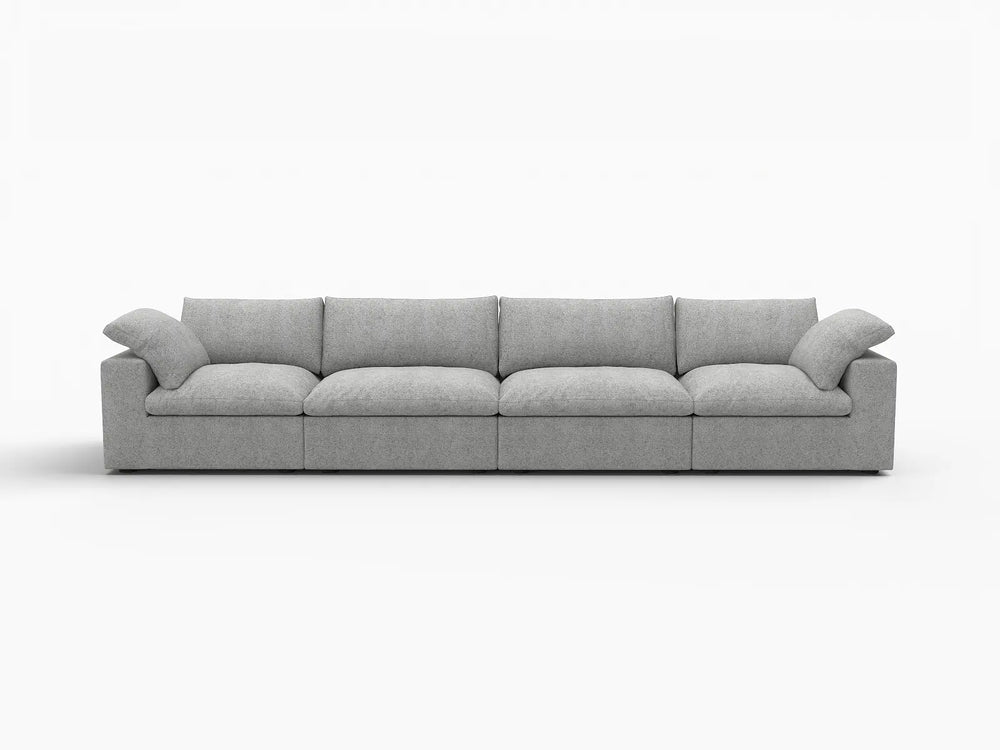
Subtitle: Compare Linen, Linen & Cotton, and Chenille & Linen sofas by breathability, durability, and style for daily living.
| Fabric | Linen | Linen & Cotton | Chenille & Linen |
|---|---|---|---|
| Preview | 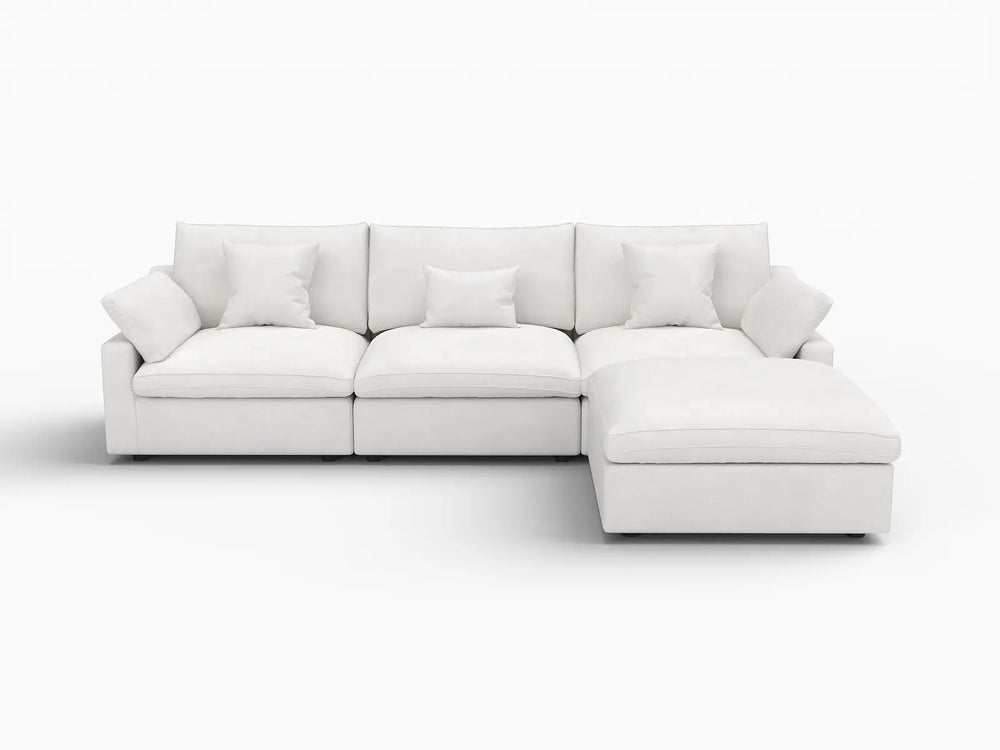 |
 |
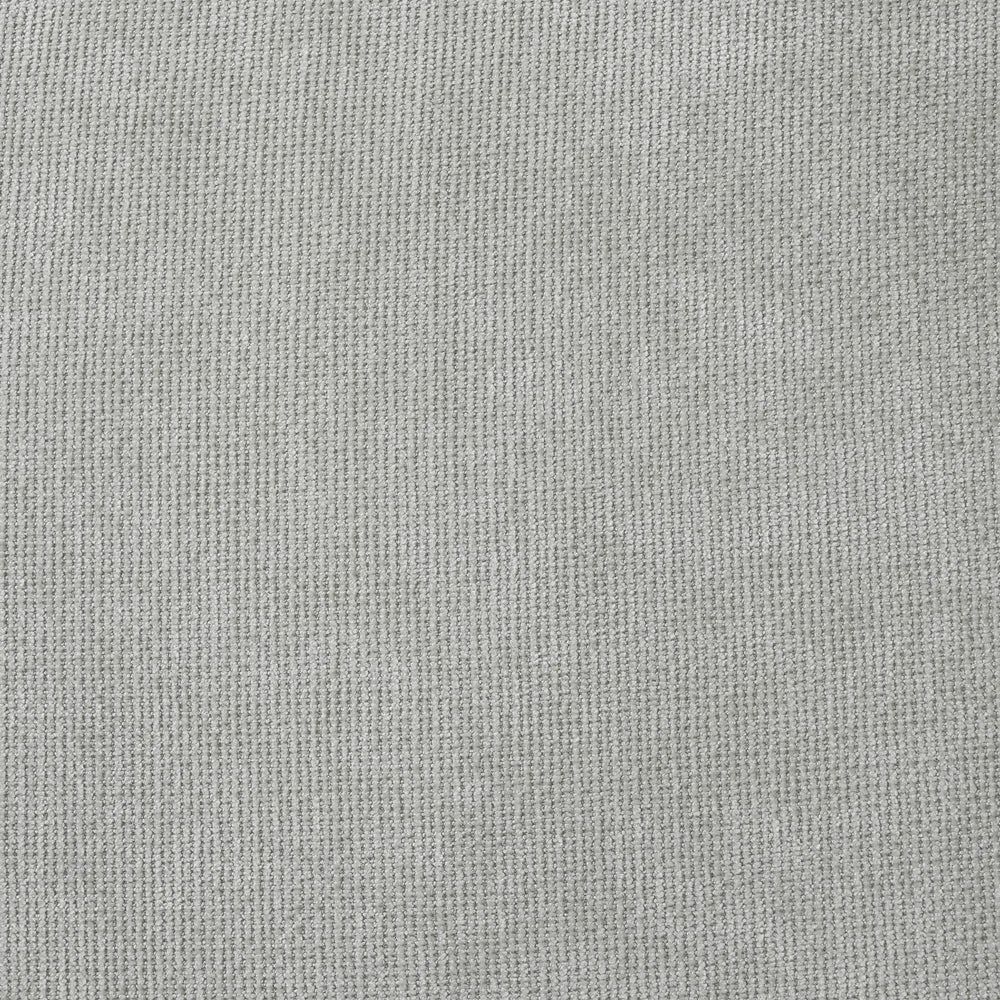 |
| Color Options | Black/Khaki/Light/Grey | White/Black/Khaki/Light Grey | Black/Khaki/Light Grey |
| Best For | Warm climates, active homes | Everyday use | Stylish, casual living |
| Price | $1,209 | $1,269 | $1,269 |
| CTA | SHOP NOW | SHOP NOW | SHOP NOW |
Synthetic Sofa Fabrics for Durability and Easy Care
Synthetic fibers are chemically engineered sofa upholstery fabrics designed to solve performance issues found in natural materials: they resist stains, fading, and wear. These are often the best options for active households.
1. Synthetic Velvet for Soft, Snag-Resistant Upholstery
Modern velvet is typically a high-performance polyester knit with a dense pile, offering luxury without the fragility of silk.
- Pros: High durability (no loose loops to snag); extremely soft; colors appear rich and deep.
- Cons: Attracts pet hair and dust; can show "bruising" (compression marks) over time.
- Best For: Cat owners (claws can't snag the pile) and those seeking a glamorous look.
- Durability Rating: High (40,000+ double rubs).
- Typical Lifespan: 8-12 years.
- Maintenance Score: 3.5/5 (Stains lift easily, but requires weekly vacuuming for hair).
| Specification | Details |
|---|---|
| Durability | Medium |
| Texture / Feel | Soft, smooth |
| Cleaning / Care | Spot clean; dry clean recommended |
| Stretch | Low |
| Breathability | Medium |
| Water / Stain Resistance | No |
| Notes / Additional Info | Works best in low-traffic areas |
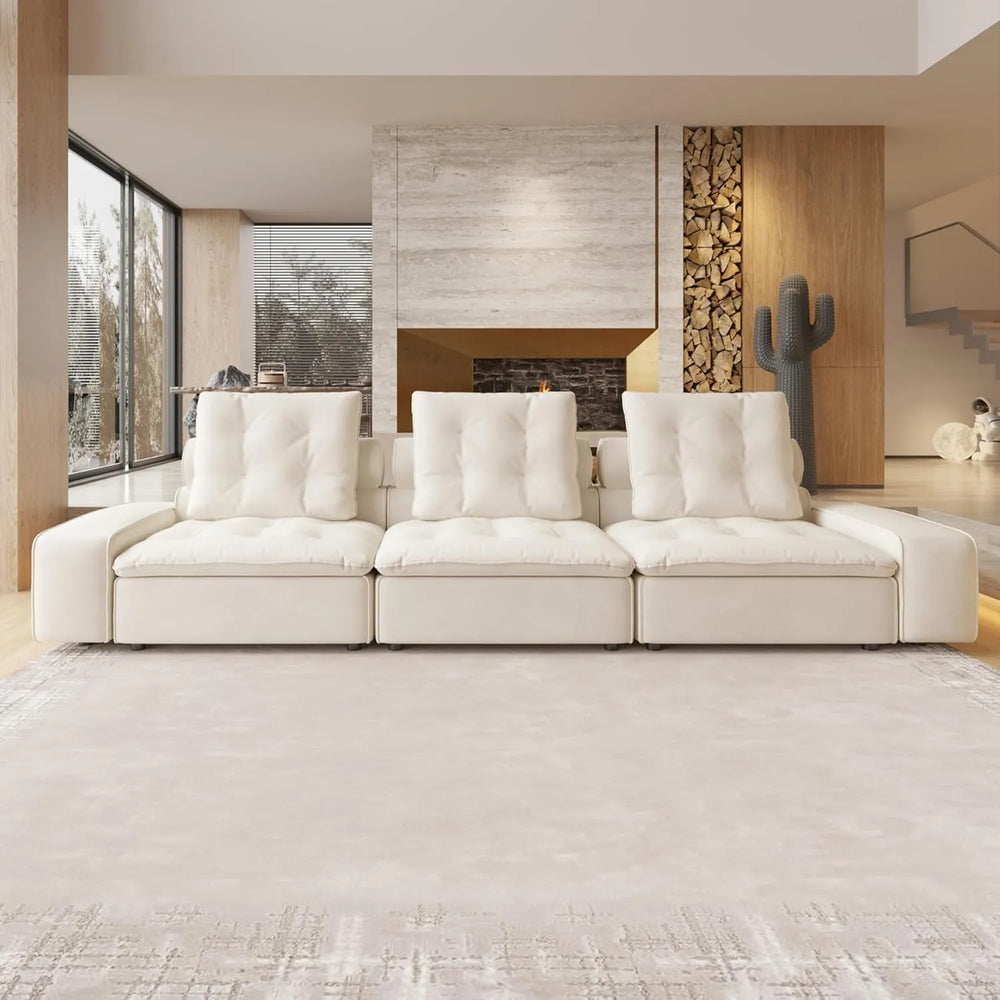
High-pile fabrics are especially common in cloud-style sofas, which prioritize softness and relaxed seating over tailored structure.
Explore Velvet Fabric Sofas WJS Home Variations:WJS Home Solution: Frosted Velvet uses a matte surface treatment to reduce visible dust, compression marks, and light reflection.
| Specification | Details |
|---|---|
| Durability | Medium |
| Texture / Feel | Soft, slightly textured |
| Cleaning / Care | Spot clean; avoid harsh detergents |
| Stretch | Low |
| Breathability | Medium |
| Water / Stain Resistance | No |
| Notes / Additional Info | Ideal for bedrooms or low-traffic living rooms |
WJS Home Solution: Teddy Velvet uses a high-pile, loop-free structure to enhance softness while minimizing snagging and wear.
| Specification | Details |
|---|---|
| Durability | Medium |
| Texture / Feel | Plush, fuzzy |
| Cleaning / Care | Gentle vacuuming; spot clean |
| Stretch | Low |
| Breathability | Medium |
| Water / Stain Resistance | No |
| Notes / Additional Info | Great for casual, cozy living spaces |
WJS Home Solution: Plush fabirc is longer pile for a "sink-in" ultra-soft feel.
| Specification | Details |
|---|---|
| Durability | Medium |
| Texture / Feel | Smooth, soft |
| Cleaning / Care | Vacuum; spot clean |
| Stretch | Medium |
| Breathability | Medium |
| Water / Stain Resistance | No |
| Notes / Additional Info | Works well in both formal and casual living areas |
Find Your Best Fabrics - Velvet & Soft Touch Fabrics
Compare Velvet, Frosted Velvet, Teddy, and Plush sofas by color and comfort for cozy, stylish seating.
| Feature / Fabric | Velvet | Frosted Velvet | Frosted Velvet Teddy Velvet | Plush Fabric | |
| Preview | 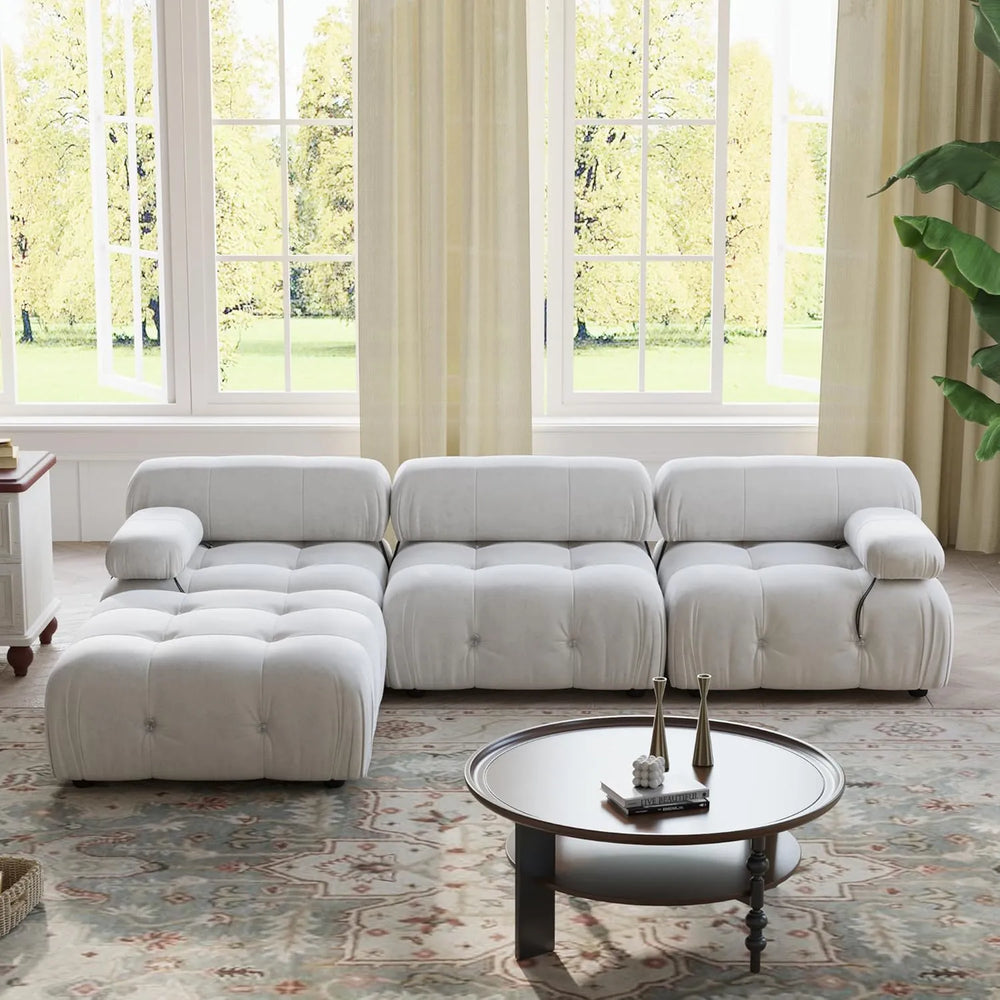 |
 |
 |
 |
|
| Color Options | Beige/Black/Blue/Brown/Dark Orange/Green | Tiffany Blue/Grey/Beige | Black/Blue/Pink/White | Beige/Black/Brown/Light Grey | |
| Best For | Low-traffic, style-conscious | Bedrooms, lounges | Families, cozy spaces | Everyday comfort, casual living | |
| Price | $1,159 | $1,099 | $549 | $1,539 | |
| CTA | SHOP NOW | SHOP NOW | SHOP NOW | SHOP NOW |
2. Textured Polyester Fabric for Everyday Use
Polyester is a polymer-based fiber that is blended and woven to mimic other textures while providing superior strength.
- Pros: Exceptional resistance to fading, wrinkling, and abrasion; retains shape well.
- Cons: Can trap oil-based stains; lower grades can feel "plastic-like."
- Best For: High-traffic family rooms and sunny areas.
- Durability Rating: Extreme (30,000 - 100,000+ double rubs).
- Typical Lifespan: 10+ years.
- Maintenance Score: 5/5 (Often cleanable with water or mild solvents).
WJS Home Solution: Chenille fabrics use raised yarns to diffuse pressure points and visually mask dust and wear paths.
| Specification | Details |
|---|---|
| Durability | Medium |
| Texture / Feel | Soft, textured |
| Cleaning / Care | Vacuum; spot clean |
| Stretch | Medium |
| Breathability | Medium |
| Water / Stain Resistance | No |
| Notes / Additional Info | Perfect for family rooms |
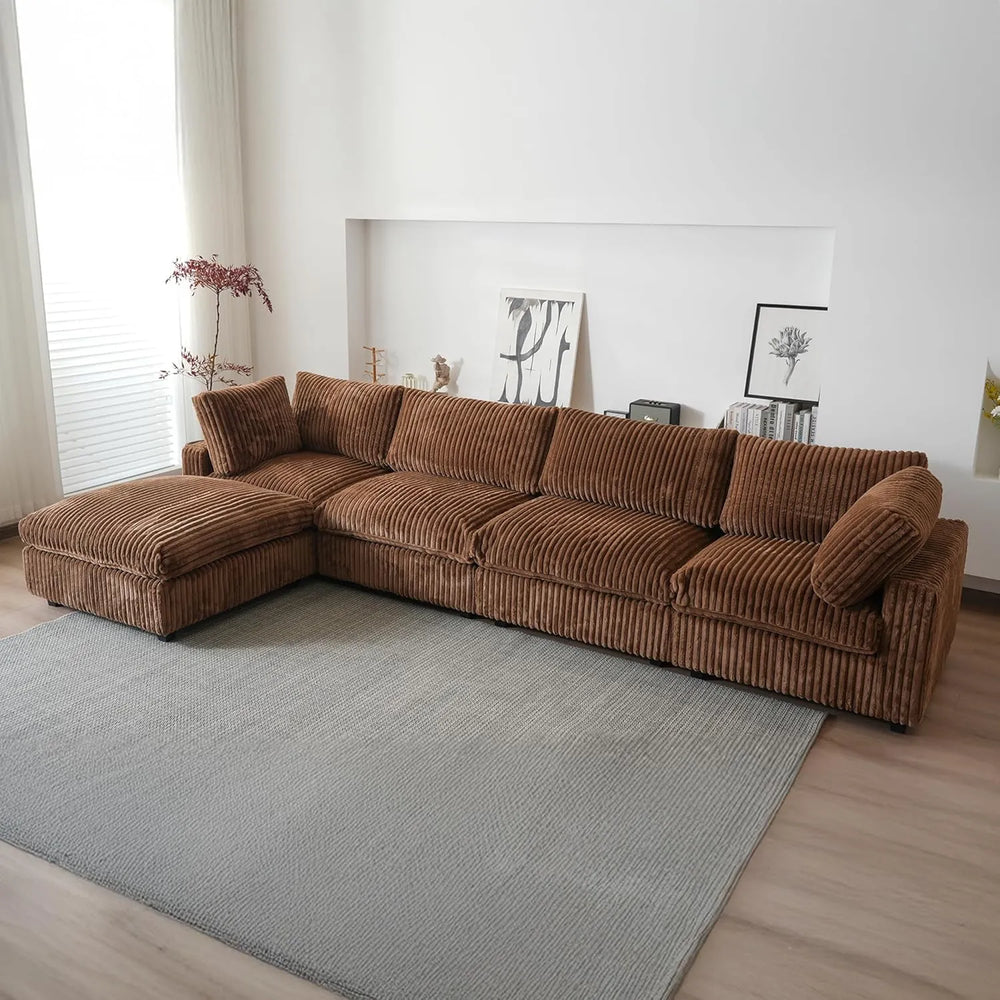
WJS Home Solution: Corduroy features "wales" (ridges) that hide wear patterns and add retro style.
| Specification | Details |
|---|---|
| Durability | Medium |
| Texture / Feel | Ribbed, soft |
| Cleaning / Care | Vacuum; spot clean |
| Stretch | Low |
| Breathability | Medium |
| Water / Stain Resistance | No |
| Notes / Additional Info | Ideal for casual living |
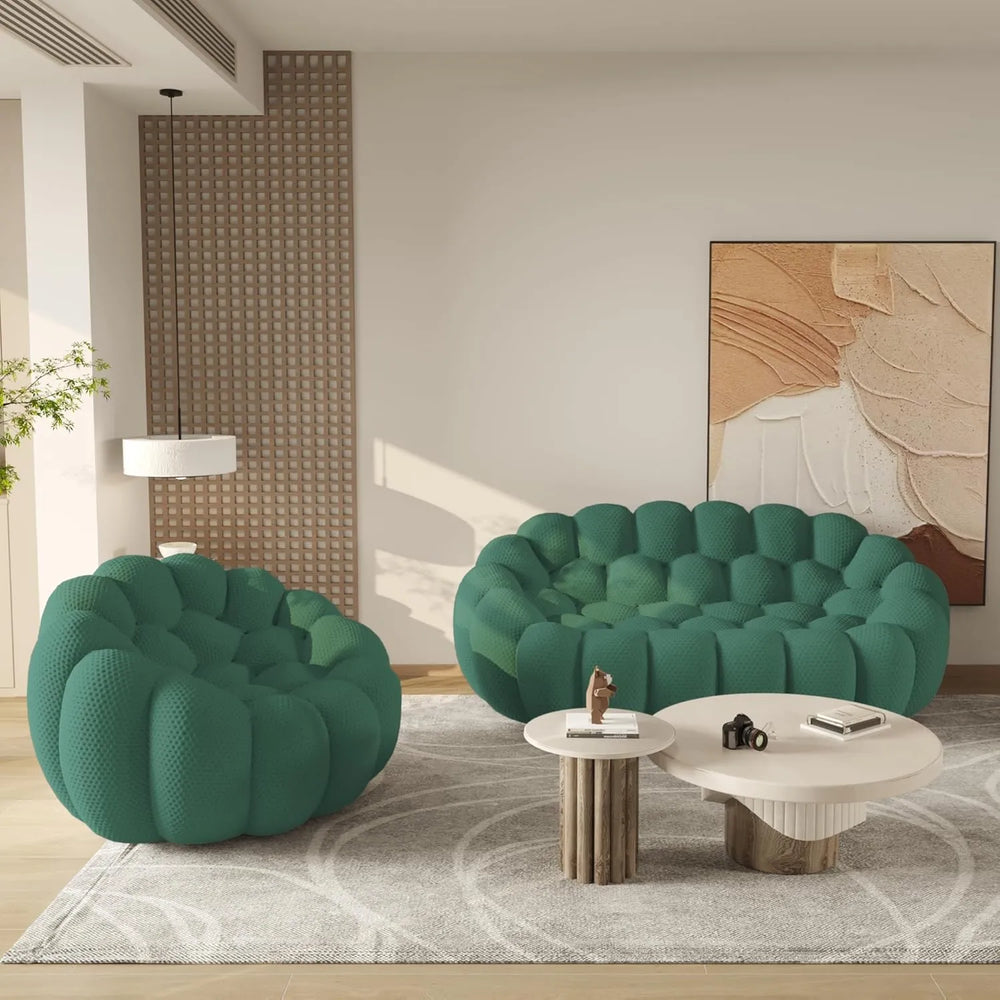
WJS Home Solution: 3D-knitted fabric is engineered to stretch under pressure and recover its shape, reducing fabric stress, sagging, and seam distortion over time.
| Specification | Details |
|---|---|
| Durability | Medium |
| Texture / Feel | Soft, textured knit |
| Cleaning / Care | Vacuum; spot clean |
| Stretch | Medium |
| Breathability | High |
| Water / Stain Resistance | No |
| Notes / Additional Info | Perfect for casual, Instagram-friendly setups |
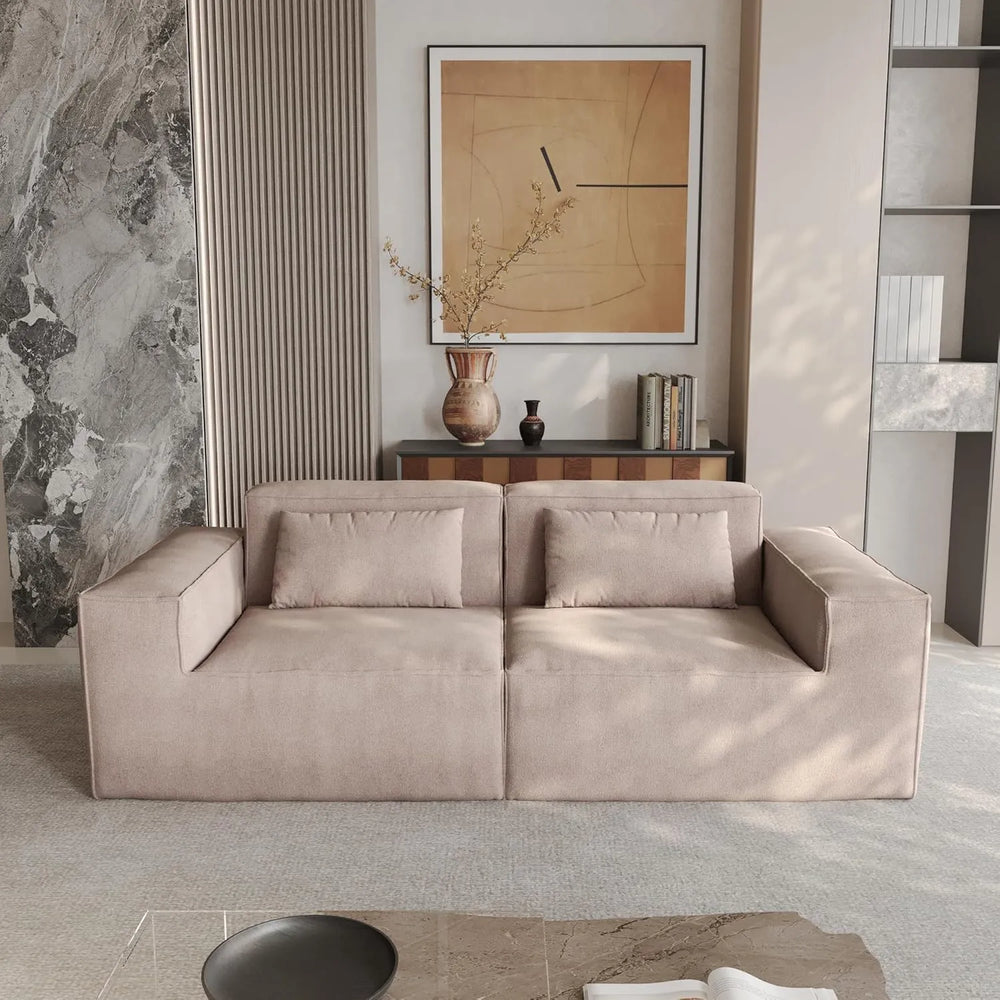
Find Your Best Fabrics - Textured & Casual Fabrics
Compare Chenille, Corduroy, and 3D-Knitted sofas by texture, color, and everyday usability.
| Feature / Fabric | Chenille | Corduroy | 3D-Knitted Fabric | |
| Preview | 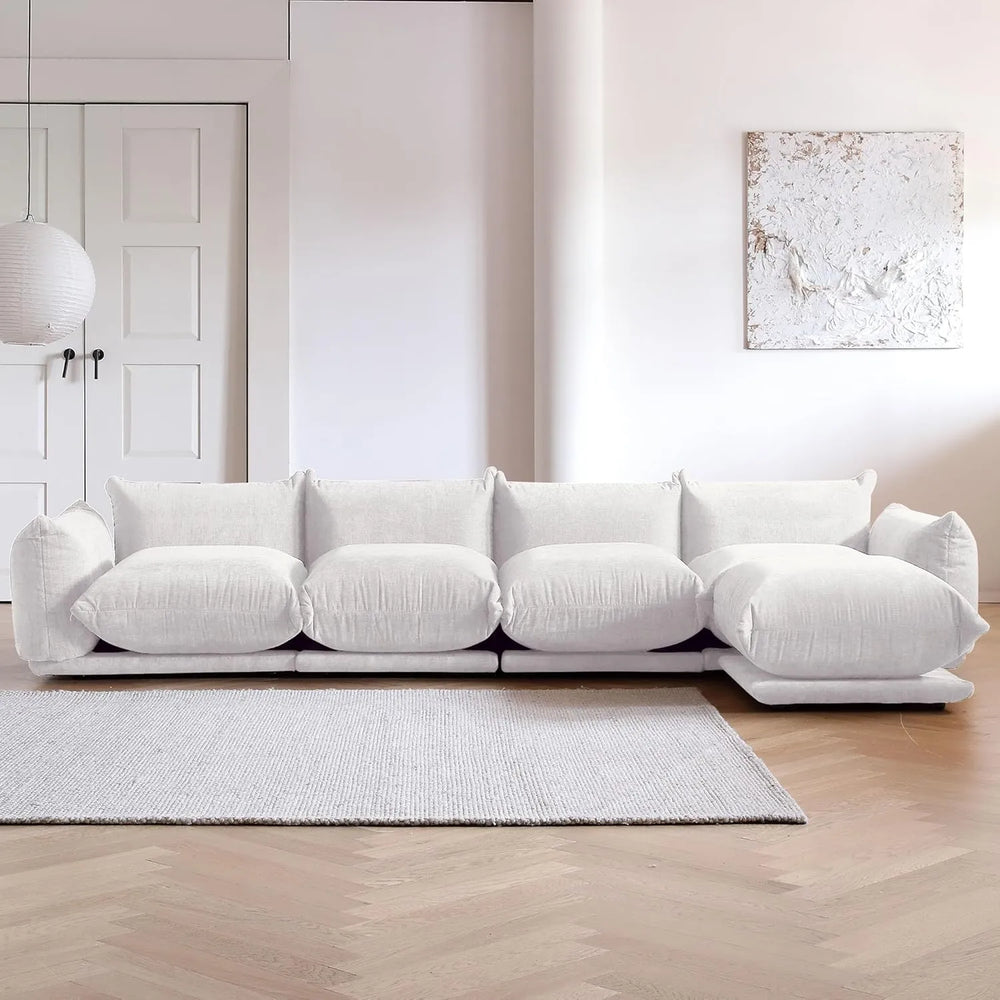 |
 |
 |
|
| Color Options | Beige/Black/Green/Orange | Beige/Black/Brown | Green/Grey/Light Grey/Lime Green/Orange | |
| Best For | Family rooms | Casual living spaces | Modern, casual seating | |
| Price | $1,159 | $439 | $759 | |
| CTA | SHOP NOW | SHOP NOW | SHOP NOW |
3. Microfiber for Heavy-Duty Family Use
A specialized type of polyester composed of ultra-fine fibers tightly woven to create a suede-like surface.
- Pros: Liquid beads up on the surface; nearly impossible to rip or puncture.
- Cons: Can generate static electricity; distinct aesthetic that doesn't fit all styles.
- Best For: Heavy-duty use with pets and kids.
- Durability Rating: High (Often exceeds 50,000 double rubs).
- Typical Lifespan: 8-12 years.
- Maintenance Score: 4.5/5 (Easy to spot clean; pet hair removes easily with a rubber brush).
4. Olefin Fabrics for Stain- and Fade-Resistance
A solution-dyed synthetic fiber originally designed for outdoor use but refined for indoor durability.
- Pros: Virtually stain-proof and fade-proof; resistant to mold and mildew.
- Cons: Limited texture variety compared to polyester; can feel slightly waxy.
- Best For: Dining areas, sunrooms, and messy households.
- Durability Rating: Extreme (50,000+ double rubs).
- Typical Lifespan: 10+ years.
- Maintenance Score: 5/5 (Bleach cleanable in many cases).
How to Choose the Right Sofa Fabric for Your Lifestyle
Use the steps below to narrow down the right sofa fabric based on how the sofa will actually be used.
Step 1: Do you have pets (especially cats or dogs)?
Yes → Choose loop-free synthetic fabrics that resist snagging and hair buildup.
- Best fabric type: Synthetic Velvet or Microfiber
- Why it works: Dense pile with no exposed loops prevents claw snags; hair sits on the surface for easy removal.
- WJS Home fit: Frosted Velvet (matte finish hides fur and dust)
No → Move to Step 2.
Step 2: Will the sofa be used daily by kids or multiple people?
Yes → Prioritize durable, easy-clean sofa fabrics with high abrasion resistance.
- Best fabric type: Performance Polyester (Textured Weaves)
- Why it works: Tight fiber structure resists wear; many tolerate water-based cleaning.
- WJS Home fit: Corduroy (ribbed texture hides stains and wear paths)
No → Move to Step 3.
Step 3: Is a natural, organic look important to you?
Yes → Choose engineered natural blends rather than pure natural fibers.
- Best fabric type: Linen blends (linen + cotton or chenille)
- Why it works: Retains breathable, relaxed texture while improving elasticity and wrinkle resistance.
- WJS Home fit: Chenille and Linen blend
No → Move to Step 4.
Step 4: Is comfort and “sink-in” softness your top priority?
Yes → Look for high-pile synthetic fabrics with pressure recovery.
- Best fabric type: Teddy Velvet or Plush Fabric
- Why it works: Dense polyester piles distribute weight evenly, reducing flattening over time.
- WJS Home fit: Teddy Velvet or Plush Fabric
No → Move to Step 5.
Step 5: Do you want a clean, modern, tailored appearance?
Yes → Choose structured or engineered fabrics that maintain shape.
- Best fabric type: 3D-Knitted or tightly woven polyester
- Why it works: Slight stretch reduces fabric stress and sagging at seams.
- WJS Home fit: 3D-Knitted Fabric
No → Consider decorative or low-traffic options such as linen, velvet, or silk, understanding their higher maintenance needs.
Fabric choice is only one part of the equation—layout, scale, and seating style also influence overall living room sofa selection .
Final Check: Maintenance Tolerance
- Low tolerance for cleaning → Synthetic fabrics (polyester, microfiber, olefin)
- Moderate tolerance → Blended fabrics
- High tolerance / low use → Pure natural fabrics
Sofa Fabric Maintenance That Extends Lifespan
- The long-term performance of different sofa types of fabric depends on two equal factors: material choice and routine care. Even the most durable upholstery will wear prematurely without basic maintenance.
Vacuum Regularly (Ideally Once a Week)
- Fine dust and grit act like sandpaper on upholstery fibers. Regular vacuuming—especially on textured fabrics such as chenille or teddy velvet—removes abrasive particles before they break down the fiber surface and cause early wear.
Always Check the Cleaning Code Before Treating Stains
Upholstery fabrics are labeled with cleaning codes that determine what type of cleaner is safe to use:- Code W: Water-based cleaners only. Common on polyester and 3D-knitted fabrics.
- Code S: Solvent or dry-clean-only solutions. Often found on pure linen.
- Code W-S: Compatible with both methods. Typical for engineered fabric blends.Using the wrong cleaner can permanently damage fibers or leave visible water marks.
Manage Pilling Early, Not Late
Some fabrics—especially corduroy, wool, or loosely textured weaves—may pill during the first months of use. This is normal fiber shedding, not a defect. Lightly removing pills with a fabric shaver prevents them from matting and helps the surface maintain a clean, even appearance over time.
Consistent, low-effort care like this can significantly extend how long your sofa looks and performs as intended.
Conclusion
The “best” sofa fabric is subjective, but the right upholstery material is measurable. If you love the look of linen but hate ironing, a Chenille and Linen blend is the smart technical choice. If you want luxury that withstands a cat's claws, Frosted Velvet offers the solution.
By understanding the technical differences between these sofa types of fabric, you can choose a WJS Home piece that doesn't just match your decor on day one, but survives your lifestyle for years to come.


