


Introduction
Chenille is known for its buttery-soft feel and cozy, inviting look, making it a tempting choice for a sofa. But is chenille really a good fabric for everyday use-and how does it hold up in terms of chenille sofa durability, cleaning, and long-term appearance? Yes, chenille can be a good sofa fabric-especially performance chenille rated ≥30,000 Wyzenbeek-for low-to-medium traffic households willing to follow a weekly care routine. In this guide, we break down the chenille sofa pros and cons you need to know: durability, traffic-level suitability, performance chenille vs regular chenille, care tips, and alternatives-so you can make an informed decision before investing in a chenille sofa.
What Is Chenille?
Chenilleis a woven fabric made from yarns with a soft pile trapped between core threads, then cut to create a plush, velvety nap. This construction gives chenille its signature softness and depth, but it also makes the fabric more susceptible to snags, pilling, and crushed areas in high-use zones. Performance chenille addresses some of these issues with tighter weaves, synthetic-rich blends, and protective finishes, improving abrasion resistance, stain repellency, and longevity. Understanding how chenille is built helps set realistic expectations for comfort, appearance, and maintenance in your home.
If you're still comparing materials, explore our complete guide to different sofa fabric types to understand how chenille compares with other popular upholstery options.
Is Chenille a Good Fabric for a Sofa? 5 Key Considerations
Chenille is a good sofa fabric for low to medium traffic homes that prioritize comfort over low maintenance. Its softness and visual warmth make it appealing, but durability, care needs, and household conditions ultimately determine whether it is the right long-term choice.
Factor 1: Chenille Sofa Durability and Fabric Performance
When shopping for a chenille sofa, you'll often see abrasion ratings cited-Wyzenbeek double rubs or Martindale cycles. These numbers are useful, but only if you understand what they measure and what they don't.
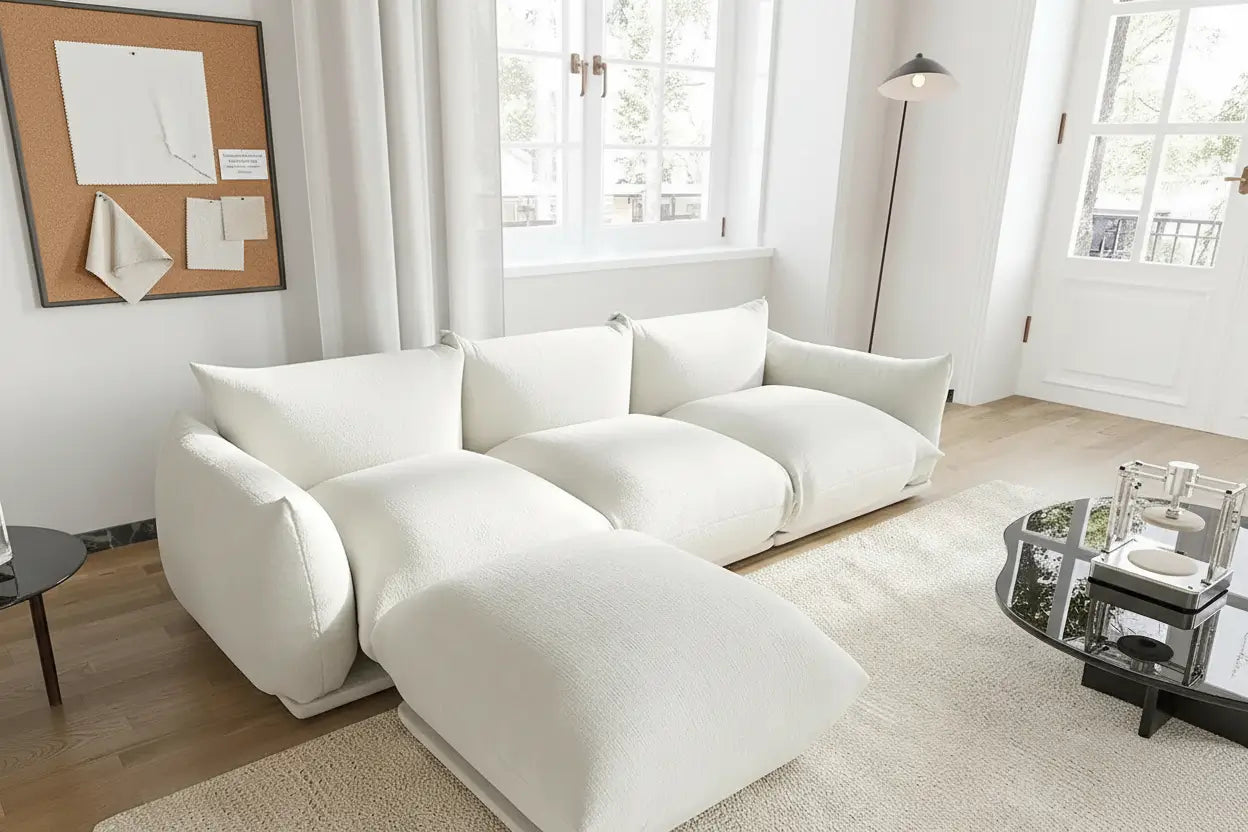
What the ratings mean:
- Wyzenbeek simulates a flat abrasion motion (back and forth). Higher numbers = more resistance to surface wear.
- Martindale uses a circular motion and is more common in European markets. The two scales aren't directly interchangeable.
- What they don't measure: stain resistance, snagging, pilling from real-life friction, or UV fading. A fabric can pass 40,000 Martindale cycles and still pill noticeably from a dog's fur or rough denim.
Practical benchmarks:
| Fabric Type | Wyzenbeek | Martindale | Best For |
| Standard chenille | 15,000-30,000 | 20,000-40,000 | Low-traffic, occasional-use rooms |
| Performance chenille | ≥30,000 | ≥40,000 | Medium-traffic family lounges |
The ≥30,000 Wyzenbeek threshold matters because below it, standard chenille in a four-person household typically shows light pilling in high-use zones within 12-18 months. Performance chenille above that threshold, in similar conditions, can maintain its appearance for 4+ years.
The takeaway: Don't just ask for the Wyzenbeek number. Ask separately about pilling grades, seam strength, and cleaning code. A sofa with a strong abrasion rating but an "S" cleaning code (solvent only) can still be a maintenance nightmare in a busy household.
Decision takeaway:
For everyday use, choose performance chenille with at least 30,000 Wyzenbeek, as standard chenille may show wear too quickly in active households.
Factor 2: Chenille Sofa Fabric Performance in Sunlight Exposure
Sunlight is one of the most underestimated threats to chenille. UV exposure doesn't just fade color-it can stiffen and degrade the pile itself, changing the texture and drape of the fabric over time.
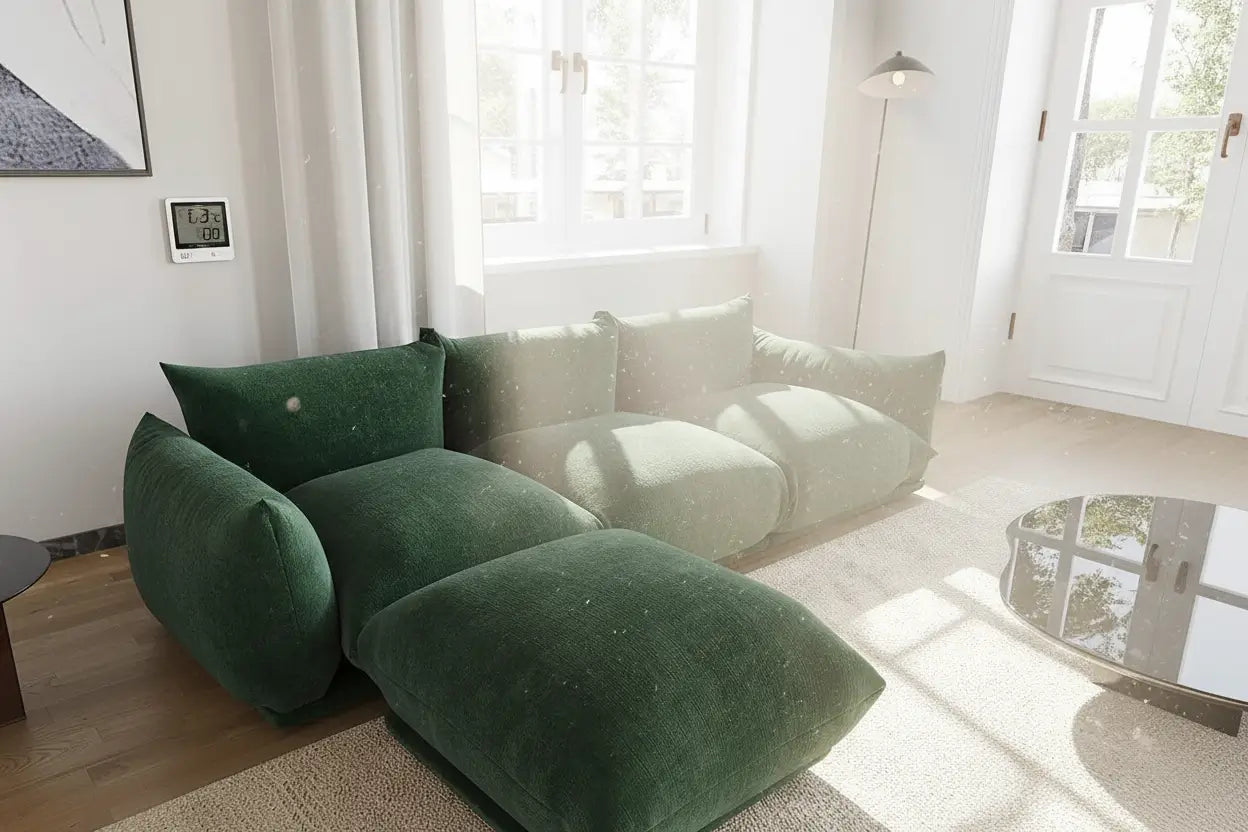
Standard chenille in a room with 4-5 hours of direct daily sunlight can show noticeable color loss within 12 months. The pile may also begin to feel coarser as UV breaks down fiber structure.
What helps:
- Rotate cushions regularly to distribute fading evenly across the sofa.
- Performance chenille with UV-resistant finishes slows color loss but doesn't eliminate it entirely.
- Window coverings or UV-filtering film on south- or west-facing windows can dramatically extend fabric life.
If your sofa will sit in a bright, sunlit room, chenille is a higher-risk choice without protective measures. Solution-dyed acrylic and olefin fabrics-where color is locked into the fiber rather than applied on top-handle UV exposure significantly better and are worth considering as an alternative in these conditions.
Decision takeaway:
Chenille is not ideal for bright, sun-exposed rooms unless you use protective measures or choose more UV-resistant fabric alternatives.
Factor 3: Is Chenille a Good Sofa Fabric for Pets and Kids
This is where chenille's pile construction works against it most visibly. Pet claws, rough clothing, and the general friction of active daily use target the exposed fibers directly. The result: snags that pull loops out of the weave, and pilling in the areas where people (and animals) sit most.
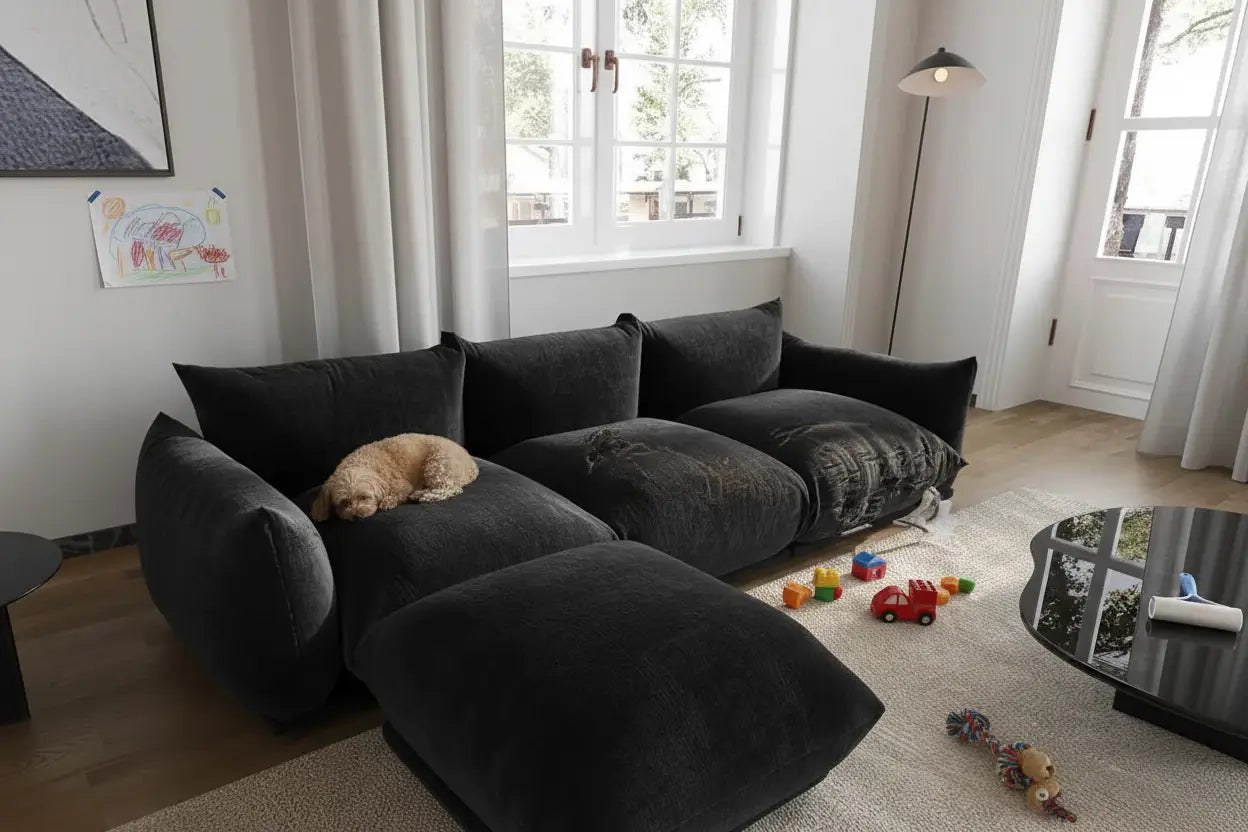
In a household with two young children and a small dog, standard chenille typically develops noticeable pilling in high-use zones within a year. Performance chenille in the same conditions can retain its plush texture for 3+ years-a meaningful difference, but still not as resilient as microfiber or synthetic weaves.
If you have pets or young children and still want chenille:
- Choose performance chenille with ≥30,000 Wyzenbeek and a WS cleaning code.
- Use throws or slipcovers over the highest-traffic areas (seat cushions, armrests).
- Keep pet claws trimmed-this makes a larger difference than most people expect.
- Groom the nap weekly with a soft brush or fabric comb to catch early pilling before it spreads.
If you have large dogs or cats that scratch frequently, chenille is genuinely a poor fit. Microfiber or solution-dyed synthetic weaves are more forgiving and require significantly less intervention to maintain their appearance.
Decision takeaway:
Chenille works in homes with pets and kids only if you choose performance fabric and commit to regular maintenance, but it is not the most durable option.
For a deeper breakdown of durable options, check out our guide to the best pet friendly couch materials, especially if you need something more resistant than chenille.
Factor 4: Chenille Sofa Long Term Appearance and Wear
Even with excellent care, chenille sofas change appearance over time. This is worth being honest about before you buy.
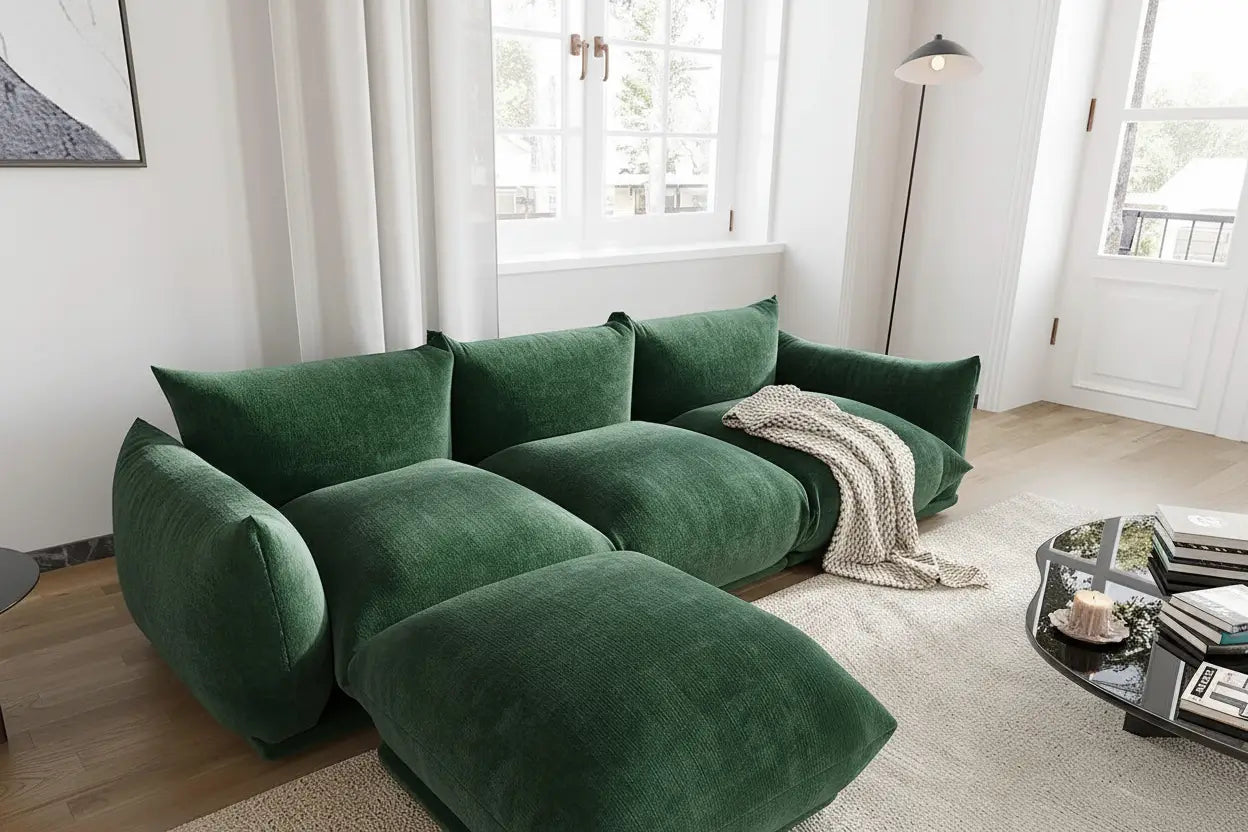
The most common issues:
- Nap crush: Frequently used cushions develop flattened "pathways" where the pile has been compressed. This is similar to what happens with velvet.
- Sheen changes: Crushed areas reflect light differently, creating subtle but visible variation in color across the sofa surface.
- Pilling: Small fiber balls that form from friction, most visible on seat cushions and armrests.
With consistent care-weekly vacuuming, prompt spot cleaning, and regular cushion rotation-performance chenille can maintain a plush, appealing appearance for 5-7 years in a medium-traffic household. Standard chenille in low-traffic rooms (a formal living room, a guest room) can look good for a similar period with less effort.
Simple care routine that makes the biggest difference:
- Vacuum weekly using an upholstery brush attachment. This removes grit that accelerates pilling and keeps the nap lifted.
- Blot spills immediately-never rub. Rubbing pushes liquid deeper into the pile and can permanently mat the fibers.
- Rotate and flip cushions every 2-4 weeks to distribute wear evenly.
- Groom the nap monthly with a soft fabric brush to restore texture and remove early-stage pilling before it becomes visible.
Decision takeaway:
Expect visible texture changes over time, so chenille is best for homeowners who value comfort and accept gradual wear as part of the look.
Factor 5: Chenille Sofa Cleaning and Maintenance
Every upholstered sofa carries a cleaning code on the care tag. For chenille, this code has a significant impact on how manageable the sofa will be over its lifetime.
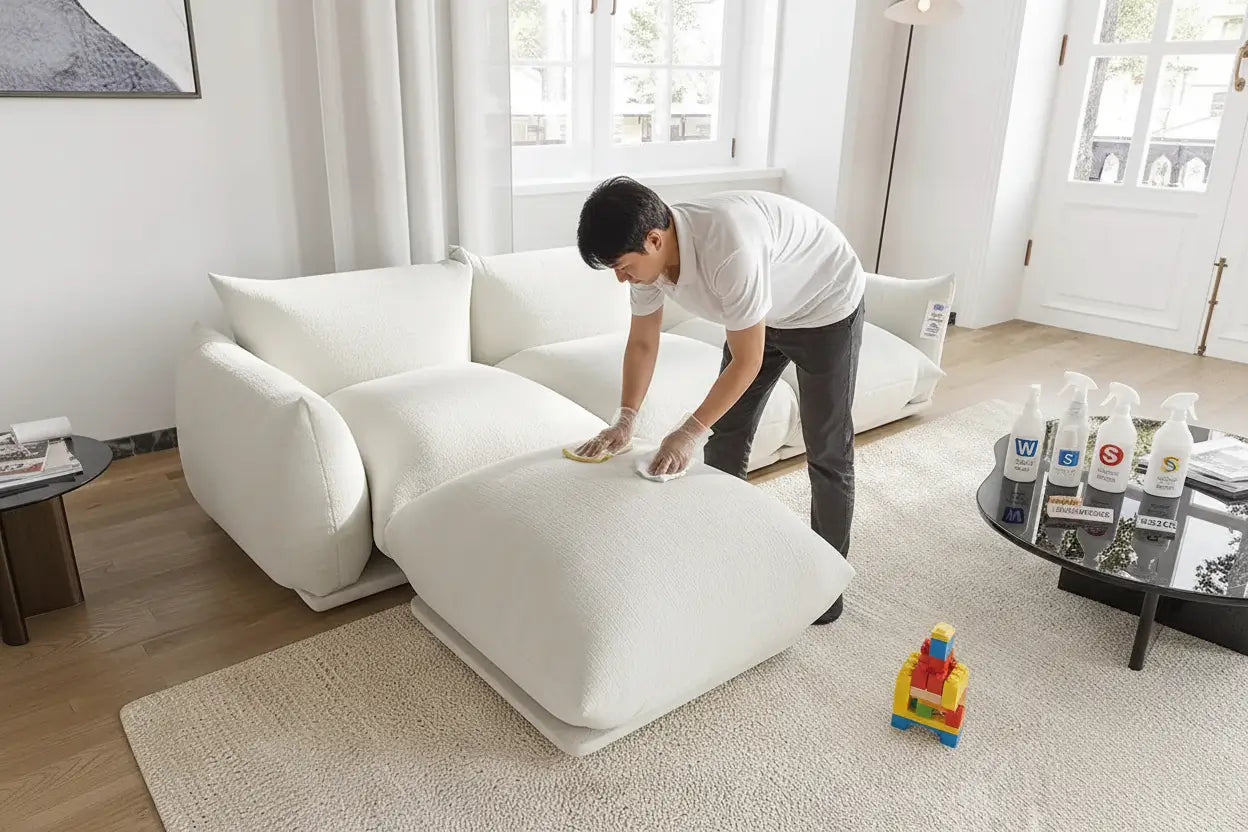
| Code | What It Means | Practical Impact |
| W | Water-based cleaners only | Easy spot cleaning; most common stains are manageable |
| S | Solvent-based (dry) cleaning only | Restricts DIY cleaning; riskier for families |
| WS | Either water- or solvent-based | Most flexible; recommended for households with kids or pets |
| X | Vacuum or light brush only | No liquid cleaning at all; high maintenance risk |
Look for WS if possible. It gives you the most options when something spills, and chenille's pile texture means stains can work their way deeper into the fabric if not treated quickly.
For machine-washable removable covers (only when the manufacturer explicitly permits it):
- Use cold water (~30°C), gentle cycle, mild liquid detergent
- No bleach, no fabric softener
- Air-dry flat or tumble on the lowest heat setting until slightly damp, then refit to finish drying in shape
The key comparison with alternatives: microfiber sofas in real-world testing typically require about 50% less weekly maintenance than chenille and resist pet stains more effectively. If low maintenance is a priority, that gap is real and worth weighing honestly against chenille's comfort advantage.
Decision takeaway:
Always choose a WS cleaning code for chenille sofas, as it offers the most flexibility and reduces long-term maintenance challenges.
Chenille vs Key Sofa Fabrics for Durability and Care
Chenille offers superior softness and visual warmth but generally requires more maintenance than most alternatives. Compared with microfiber, leather, and synthetic performance fabrics, it trades durability and ease of care for comfort and a cozy, textured aesthetic.
| Fabric | Durability | Snag/Pilling Risk | Stain Resistance | Maintenance | Best For |
| Standard chenille | Medium | Medium-High | Medium | Moderate | Low-traffic, relaxed rooms |
| Performance chenille | Medium-High | Medium | Medium-High | Moderate | Family lounges, medium traffic |
| Microfiber | High | Low | High | Easy | Pets, kids, busy households |
| Solution-dyed acrylic/olefin | High | Low | Very High | Easy | Sunny rooms, outdoor-adjacent spaces |
| Leather | High | Can scratch | High | Easy | Classic look, wipe-clean priority |
| Linen blends | Low-Medium | Medium | Low | Spot clean only | Airy aesthetic, low-traffic rooms |
The pattern is clear: chenille trades maintenance ease for comfort and aesthetic warmth. Whether that trade-off makes sense depends entirely on your household.
If you're deciding between materials, this detailed comparison of leather vs fabric sofas can help you evaluate long-term durability, maintenance, and comfort.
Who Should and Should Not Choose Chenille Sofa
Chenille is best suited for low- to medium-traffic households that prioritize comfort and are willing to maintain it. However, it may not be the right choice for homes with heavy daily use, pets, or strong sunlight exposure due to its sensitivity to wear, snags, and fading.
Chenille works well for:
- Relaxation-focused spaces (home office, bedroom sitting area, studio apartment) where the sofa gets moderate, low-intensity use
- Formal living rooms and guest rooms where snag risk is low and the plush look reads well
- Low-to-medium traffic family rooms, with performance chenille and a WS cleaning code
Consider alternatives if:
- You have large dogs or cats that scratch or dig at furniture
- Your sofa sits in direct sunlight for more than 3-4 hours daily without window coverings
- You want a sofa that's genuinely low-maintenance with minimal routine care
- Heavy daily use from multiple family members is the norm
If chenille doesn’t fit your lifestyle, you can explore our curated list of best pet friendly couches designed for durability and easy maintenance.
Conclusion
Chenille can be a great sofa fabric if your priorities align with its strengths: exceptional softness, rich texture, and a cozy, inviting look. Performance chenille improves durability enough for medium-traffic homes, but it still requires consistent care and isn’t ideal for heavy pet use or strong sunlight. The key is matching the fabric to your lifestyle-checking abrasion ratings, cleaning codes, and realistic maintenance expectations before buying. At WJS Home, we focus on sofas that balance comfort, durability, and real-life usability, helping you choose materials that look good not just today, but years down the line.
FAQs About Sofa of Chenille Fabric
Does chenille hold up to pets? Is it the best sofa fabric for pets?
Will a chenille couch fabric pill or flatten?
What double-rub number should I look for in a chenille sofa for everyday use?
Is chenille easy to clean? Can I machine-wash the covers?
What are the chenille sofa pros and cons?
Pros: exceptionally soft hand, warm and cozy aesthetic, available in performance grades for added durability, suits low-to-medium traffic rooms well.
Cons: prone to chenille fabric pilling and nap crush over time, sensitive to UV fading, requires more routine care than microfiber or leather, not ideal for heavy pet traffic without protective measures.
Understanding these chenille sofa pros and cons upfront helps you decide whether the comfort trade-off is worth the maintenance commitment.


